White-Label Web Development for Agencies That Need Technical Delivery Capacity
GFX Hawker supports agencies that need external development capacity for a project, overflow work or an ongoing technical relationship—while the agency keeps control of the client relationship, brand and wider engagement.
The work can draw from WordPress Development & SEO, workflow automation, custom software/web applications and mobile development where the requirement fits. The role, communication model and handoff are defined around the actual engagement rather than assumed from a generic outsourcing package.
AGENCY
- Client relationship
- Brand
- Wider engagement
DEFINED WORKING BOUNDARY
Role, Communication model, Handoff
GFX TECHNICAL DELIVERY
- External development capacity
Relevant Technical Work Behind the Offer
The cases below show the technical capability available behind a white-label engagement. The working relationship itself—communication, confidentiality, handoff and responsibilities—is defined for the actual agency project.
Dubai Sticker Printing / Media Print UAE
The WordPress work demonstrates research-led site architecture, custom implementation, quote-focused commercial flows, custom PHP, technical SEO and longer-term platform evolution. Media Print UAE also includes structured event data exposed through the WordPress REST API for automation.

TinyHelperTools / Growth OS
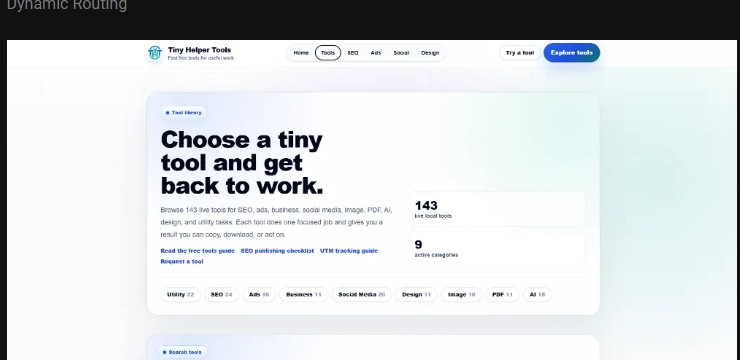
TinyHelperTools demonstrates reusable web-application architecture and specialized product interfaces. Growth OS demonstrates authenticated internal software with roles, client isolation, reports, pipeline operations and integration with external automation events.
Multi-Workflow Systems
The automation work spans web-app integrations, WordPress operations, content systems, monitoring, lead/event handling, advertising systems and AI-assisted workflows—with validation, bounded responsibilities and human control designed into the process.
White-Label Is a Different Relationship, Not Just a Different Label
A direct business client hires a provider for its own website, software or automation requirement.
In white-label development, your agency may already own:
EXTERNAL TECHNICAL ROLE
The external technical partner needs to fit inside that structure without creating ambiguity about who owns what.
That makes the working model part of the service—not administrative detail to discover after delivery starts.
Define the Role Before the Work Expands
A useful white-label engagement should make the important boundaries explicit for the actual project. Those can include:
RESPONSIBILITY + COMMUNICATION
what GFX Hawker is responsible for
who communicates with the end client
REQUIREMENTS + WORKFLOW
where requirements and approvals come from
which project-management and repository workflow is used
REVIEW + CLIENT DECISIONS
how staging, review and handoff work
who owns client-facing decisions
CHANGE + CONTINUATION
what happens when scope changes
what, if anything, continues after initial delivery
Confidentiality, NDA, non-solicitation, ownership, service-level, exclusivity, response-time and commercial terms are set in the actual agreement when relevant.
Add Capacity Without Buying Unnecessary Scope
An agency may need one specialist work package, delivery support on a larger project or a longer technical relationship.
Those are different needs and should be scoped differently.
A bounded project may need only WordPress implementation.
Another agency may need recurring development capacity across client projects.
A software engagement may need a defined subsystem rather than an entire product team.
The useful starting point is the capacity gap:
What work needs to be delivered?
What does the agency already handle?
Where should the external technical role begin and end?
What quality/review process does the agency need the work to fit?
The scope can then match the actual requirement.
International, Remote Delivery
GFX Hawker works through an international, remote service model. For an agency partnership, the practical questions are whether communication overlap is workable, responsibilities are clear, the delivery workflow fits, and the technical work can be reviewed against the agency’s standard.
Where White-Label Support Can Fit
WordPress Development & SEO
Implementation, functionality, integrations and WordPress-specific organic-search work when the agency needs technical delivery behind its broader engagement.
Workflow Automation & AI Systems
Workflow diagnosis, integrations, deterministic automation and controlled AI-assisted processes where clients need operational systems connected or automated.
Custom Software & Web Apps
Portals, dashboards, internal tools, web applications, integrations and purpose-built systems when the project genuinely needs custom software.
Mobile App Development
Mobile application work when the project scope and delivery requirement make it a real fit. Platform, testing and deployment responsibilities are defined for the actual app project.
A Good Fit
MOST USEFUL WHEN
This relationship is most useful when the agency has a real technical delivery need and wants the external role to be clear.
LESS USEFUL WHEN
It is less useful when the expectation depends on undefined unlimited capacity or commercial/service terms that have not been agreed.
Clarity protects both the agency relationship and the technical delivery.
Discuss the Capacity Gap
Share the type of work, current project stage, expected technical role, important client/communication boundaries and how your agency prefers delivery to fit into its process. You do not need to package the requirement as a predefined white-label plan first.
White-Label Web Development for Agencies That Need Technical Delivery Capacity
GFX Hawker supports agencies that need external development capacity for a project, overflow work or an ongoing technical relationship—while the agency keeps control of the client relationship, brand and wider engagement.
The work can draw from WordPress Development & SEO, workflow automation, custom software/web applications and mobile development where the requirement fits. The role, communication model and handoff are defined around the actual engagement rather than assumed from a generic outsourcing package.
Client relationship • Brand • Wider engagement
Role • Communication model • Handoff
External development capacity
Relevant Technical Work Behind the Offer
The cases below show the technical capability available behind a white-label engagement. The working relationship itself—communication, confidentiality, handoff and responsibilities—is defined for the actual agency project.
Dubai Sticker Printing / Media Print UAE
The WordPress work demonstrates research-led site architecture, custom implementation, quote-focused commercial flows, custom PHP, technical SEO and longer-term platform evolution. Media Print UAE also includes structured event data exposed through the WordPress REST API for automation.
TinyHelperTools / Growth OS
TinyHelperTools demonstrates reusable web-application architecture and specialized product interfaces. Growth OS demonstrates authenticated internal software with roles, client isolation, reports, pipeline operations and integration with external automation events.
Multi-Workflow Systems
The automation work spans web-app integrations, WordPress operations, content systems, monitoring, lead/event handling, advertising systems and AI-assisted workflows—with validation, bounded responsibilities and human control designed into the process.
White-Label Is a Different Relationship, Not Just a Different Label
A direct business client hires a provider for its own website, software or automation requirement.
In white-label development, your agency may already own:
- client relationship
- strategy or creative direction
- project management
- commercial terms
- stakeholder communication
- a wider retained engagement
The external technical partner needs to fit inside that structure without creating ambiguity about who owns what.
That makes the working model part of the service—not administrative detail to discover after delivery starts.
Define the Role Before the Work Expands
A useful white-label engagement should make the important boundaries explicit for the actual project. Those can include:
Confidentiality, NDA, non-solicitation, ownership, service-level, exclusivity, response-time and commercial terms are set in the actual agreement when relevant.
Add Capacity Without Buying Unnecessary Scope
An agency may need one specialist work package, delivery support on a larger project or a longer technical relationship. Those are different needs and should be scoped differently.
The useful starting point is the capacity gap:
- What work needs to be delivered?
- What does the agency already handle?
- Where should the external technical role begin and end?
- What quality/review process does the agency need the work to fit?
The scope can then match the actual requirement.
International, Remote Delivery
GFX Hawker works through an international, remote service model. For an agency partnership, the practical questions are whether communication overlap is workable, responsibilities are clear, the delivery workflow fits, and the technical work can be reviewed against the agency’s standard.
Where White-Label Support Can Fit
WordPress Development & SEO
Implementation, functionality, integrations and WordPress-specific organic-search work when the agency needs technical delivery behind its broader engagement.
Workflow Automation & AI Systems
Workflow diagnosis, integrations, deterministic automation and controlled AI-assisted processes where clients need operational systems connected or automated.
Custom Software & Web Apps
Portals, dashboards, internal tools, web applications, integrations and purpose-built systems when the project genuinely needs custom software.
Mobile App Development
Mobile application work when the project scope and delivery requirement make it a real fit. Platform, testing and deployment responsibilities are defined for the actual app project.
A Good Fit
Most Useful When
This relationship is most useful when the agency has a real technical delivery need and wants the external role to be clear.
Less Useful When
It is less useful when the expectation depends on undefined unlimited capacity or commercial/service terms that have not been agreed.
Clarity protects both the agency relationship and the technical delivery.
Discuss the Capacity Gap
Share the type of work, current project stage, expected technical role, important client/communication boundaries and how your agency prefers delivery to fit into its process. You do not need to package the requirement as a predefined white-label plan first.